


ROAD TO TRANSFORMATION
Share Now:
Business Transformations
In the public sector face unique challenges that can contribute to delay in the implementation of right policy and services. As we have described in another Case Study of ‘A myth of red tape at Public Sector’ , bureaucracy and red tape is not limited to public sector, but big conglomerates also grapple with the same challenges.

It is vital to understand the challenges that is unique to Public Sector.
Legacy processes & complex structures
Public sector organizations often have complex org structures and processes, which slow down decision-making and the pace of change.
This can make it difficult to implement transformation initiatives in the time frame and by the time it is implemented they are outdated.
Political interference
Public sector transformations can be severely influenced by political agendas, resulting in shifting priorities, inconsistent support, and disruptions in the transformation process.
Political changes, such as elections or changes in government leadership, can also derail ongoing initiatives

Complex stakeholder landscape
Public sector transformations involve a diverse set of stakeholders, including government agencies, regulatory bodies, elected officials, citizens, unions, and interest groups.
Balancing the competing interests and priorities of these stakeholders can be challenging and often lead to conflicts and delays in implementation.
Legacy systems & infrastructure
Many public sector organizations rely on outdated technology systems and infrastructure, which can pose significant barriers to transformation efforts.
Upgrading or replacing legacy systems can be costly and time-consuming, slowing down the pace of change. This challenge is also paired with a pressure from citizens to deliver short term solutions which put bigger initiatives on the back burner.

Public Scrutiny & Accountability
Public sector organizations are subject to high levels of public scrutiny and accountability, which can create pressure to prioritize short-term outcomes over long-term transformation goals.
This focus on immediate results may undermine efforts to implement sustainable changes. Numerous discussions have centered around the effective transformation of organizations, regardless of whether they operate in the private or public domain.
Similarly, there exists a multitude of tailored frameworks suited to various industry types. However, distilling a common theme from these frameworks is best encapsulated by The Open Group.
APMAC highly recommend that organization engage in what is often termed as “planning of planning” before embarking on any significant initiative.
This strategic planning process ensures that a clear path forward is visible to stakeholders. It also enables the identification of potential obstacles that could derail the initiative, as well as the development of contingency plans to address unforeseen challenges.
This proactive approach is crucial in today’s rapidly changing environment, where factors that may have been overlooked in the past can have a significant impact on the success of an initiative.

Vision
Clearly define and communicate the objectives, both strategically and specifically. Leadership, driven by business needs with IT input, must articulate the vision and requirements. Establishing predictable processes and ensuring clarity in scope and approach are crucial for successful transformation initiatives.
Desire & Willingness
The success of any endeavor relies on a strong desire to achieve results, willingness to accept the accompanying impacts, and determination to see it through to completion. Active discussions regarding the project’s impact are essential, with a clear commitment to accept these consequences.
Allocating key resources and maintaining organizational history of timely closure on issues, coupled with unanimous agreement on the initiative’s importance, solidify the commitment to transformation.

Need
The imperative to execute the endeavor is compelling, underscored by explicit statements outlining the ramifications of project non- progression alongside the opportunities it unlocks. The organization comprehensively recognizes the repercussions of both failure and success, with clearly delineated success criteria disseminated across stakeholders.
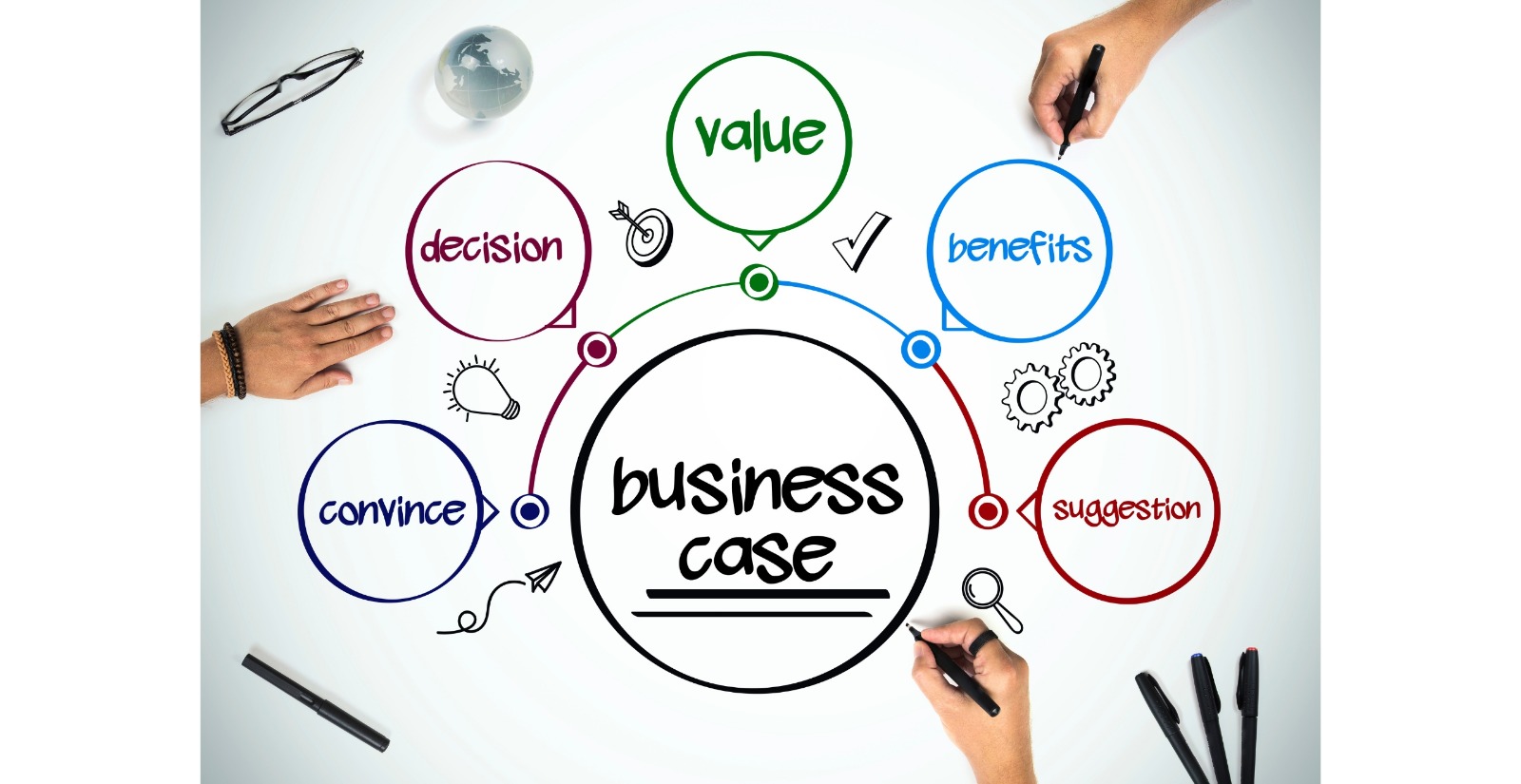
Business case
Business Case creates a strong focus for the project, identifying benefits that must be achieved and there by creating an imperative to succeed.
The business case should clearly articulate the concrete benefits (revenues or savings) that the organization is committed to deliver and clearly and unquestionably points to goals that the organization is committed to achieving.
Sponsorship and leadership
Often overlooked yet critical to business transformation is strong leadership, ensuring alignment with strategic goals and sustained focus.
The endeavor’s success hinges on an executive sponsor adept at articulating and defending its needs at senior management levels, ensuring ongoing engagement.
Continuous executive sponsorship guarantees sustained commitment and guidance throughout the transformation process.
Funding
A clear source of fiscal resources, exists that meets the endeavor’s potential expenditures. Funding cushion should be parked depending on the past fluctuations experienced.

Governance
Effective stakeholder engagement is principal for ensuring business interests are served and objectives achieved. This involves identifying stakeholders, understanding their interests and responsibilities, and advancing a culture of participation aligned with overarching corporate goals.
Successful management of crossfunctional activities, meaningful stakeholder involvement, and a commitment to ongoing review and openness to external insights is key to success.
Accountability
Assigning clear and appropriate responsibilities, establishing measurable expectations, and aligning decisionmaking with relevant areas of impact. It ensures that accountability is consistent with both the areas where success benefits or failure consequences are felt and the designated responsibility domains.

IT Capacity
IT readiness involves possessing the requisite skills, tools, processes, and management capabilities to execute project tasks effectively. Building high performing teams, setting boundaries and local governance is key to get the best outcome of IT.
Workable approach
The approach to the transformation effort is sensible, supported by a favorable environment and modeled after proven methodologies. Clear outlining of roles, established communication channels, and a robust incentive mechanism for adhering to best practices ensure smooth implementation.
Adequate resources are dedicated throughout the transformation’s lifecycle, with a well-defined plan for monitoring progress and calibrating actions as needed.

Enterprise ability
Ensuring seamless integration of transformation elements and related business processes, adapting to changes post-implementation and sustaining operations in the new environment.
A robust, disciplined service management program is in place, facilitating operations, maintenance, and support for existing systems with a process-driven approach.
Enterprise capability
Organization is equipped to handle all tasks required for the endeavor, not just in IT but across various areas, even under tight project timelines.
Drawing from recent success in similar endeavors, established processes, discipline, and skills tailored for such tasks.
Recognize the importance of continuous learning and formal skill gap analysis to adapt to new ways of working effectively.
Organizations often initiate transformation journeys and launch multiple initiatives, but a significant portion of these endeavorsfail to reach their midpoint,resulting in wasted time, money, and resourcesforthe organization.
At APMAC, we recognize that identifying and defining the critical factors within established frameworks can be challenging. Ourteam of expertsisready to collaborate with you to ensure a seamless and rewarding transformation journey